

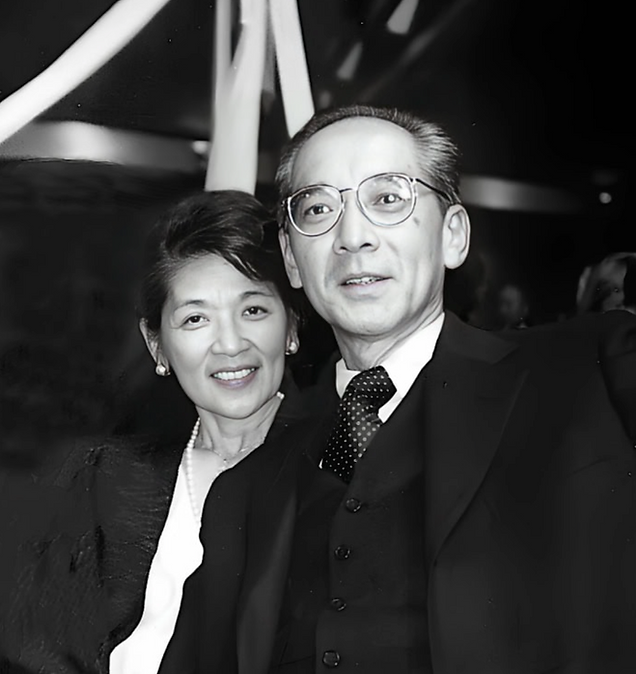
Yuji Ichioka
Yuji Ichioka: Building an Asian American Identity in the Bay Area
By The West Coast Student Union
When we think about Asian American identity today, the term “Asian American” can feel very familiar. But this shared identity did not always exist in the way we understand it today. Yuji Ichioka, a Japanese American historian and activist from the Bay Area, played an important role in helping create this idea of a shared Asian American community. Ichioka was born in San Francisco in 1936 and later grew up in Berkeley. During World War II, his family was incarcerated at the Topaz War Relocation Center in Utah, along with thousands of other Japanese Americans. After returning to California, he attended Berkeley High School and later studied at UCLA and UC Berkeley.
From Berkeley to the Asian American Movement
While studying at UC Berkeley in the late 1960s, Ichioka noticed that Asian American students were participating in different social movements, but they often acted as separate groups. Chinese American, Japanese American, Filipino American, and Korean American students did not always see themselves as part of one larger political community.
In 1968, Ichioka and Chinese American activist Emma Gee helped create the Asian American Political Alliance (AAPA) at UC Berkeley. The organization brought together Asian Americans from different ethnic backgrounds and encouraged them to work together on political and social issues. This was important because “Asian American” was becoming more than just a description of someone’s background. It became a way for people with different histories and cultures to recognize their shared experiences and shared goals.
“Asian American” became not only an identity, but also a form of solidarity.
The AAPA also worked with other communities, including Black, Chicano, and Native American students, through the Third World Liberation Front. These movements helped push universities in California to develop Ethnic Studies programs.
Why His Story Matters Today
Ichioka’s story shows that Asian American identity is not simply about being from Asia or having Asian ancestry. It can also be about community, shared experiences, and supporting one another. This idea is especially meaningful in the Bay Area. From San Francisco’s Chinatown to Oakland, Berkeley, and the many Asian American communities across the region, the Bay Area has a long history of Asian American activism and cultural organizing.
For young Asian Americans today, Ichioka’s story raises an important question:
How can we keep our individual cultures and identities while also building a stronger community together?
His answer was not to erase the differences between Asian American groups. Instead, he helped create a space where those differences could exist within a larger identity.That is one reason Yuji Ichioka remains an important figure in Bay Area history: he helped turn many different Asian American experiences into a shared story.